

What is the tax treatment of fine wine as Andy Burnham begins his tenure as PM
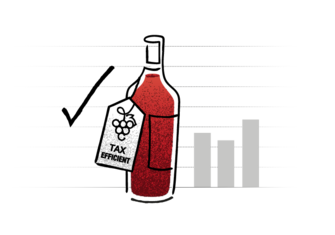
One of the key attractions to investing in fine wine is the favourable tax treatment. What is the background to this broad statement and what do you need to know?
How does HMRC treat fine wine as an investment?
With care, a well-managed portfolio of fine wines can attract valuable Capital Gains Tax reliefs. Our Tax & Fine Wine Report in the financial year 2026 / 27, authored by an independent tax specialist provides helpful insight to discuss with your financial advisor.
Key points:
- HMRC’s “Wasting Asset” or “Chattels” Exemptions apply to fine wine .
- These exemptions are significant and widely used by investors.
- As a norm a sale of fine wine does not trigger a taxable Capital Gain.
Individuals with significant volumes of trades may need to take advice to ensure that they have not slipped into trading. Gains made on trading can fall under the remit of Income Tax.
How to manage your wine investment for tax
When considering potential tax applications, it is necessary to consider the motivation behind any given purchase of wine.
For example, an investor looking for capital growth who establishes an initial portfolio and then adds to this over time, buying and selling certain vintages from selected vineyards to improve the balance and likely returns of this portfolio. It is probable that an investor can apply the exemptions to Capital Gains Tax provided by HMRC, as the buying and selling here is part of an investment strategy much as would be the case in managing a portfolio of shares.
 Conversely, a speculator looking to buy and sell in the short term always with a view to realising profit where the wine is held as stock in trade rather than as an investment asset is treated differently. In this case we are not within the remit of Capital Gains Tax but will be making profits or losses subject to Income Tax.
For most investors in fine wine, being treated as a trader is unlikely unless, for example, you are an individual who declares that it is now your intention to cease holding wine as an investment and instead now look to actively trade the asset with a view to profit.
Fine wine tax benefits
- HMRC’s categorisation of fine wine as a ‘Wasting Asset’ means profits are generally Capital Gains Tax-exempt
- The Chattels Exemption can be applied for fine wine assets valued at less than £6,000 currently where gains would be CGT- exempt
- Potential to use fine wine in estate planning and the transfer of assets to other generations
Current Capital Gains Tax Rates
Capital Gains Tax was increased by former Chancellor, Rachel Reeve in October 2025 when the lower band taxpayers’ rate rose from 10% to 18% and higher 20% to 24%. Meanwhile, the CGT allowance had also been reduced to £3,000 a year by Jeremy Hunt, and as such even smaller investors in shares may now get caught by CGT and will pay more tax.
Investment in equities and property are the primary targets for the Treasury, but CGT also applies to profits made on the sale of personal possessions such as jewellery, paintings, antiques, coins and stamps, and sets of things, for example matching vases. It is worth noting that a gift to your spouse should be exempt.
Act now for tax-efficient growth.
The fact that gains made from investment wines are generally CGT-exempt is a compelling reason to consider adding fine wine to your portfolio. Tax efficiency is important, but the primary goal with any investment asset is the potential for growth.
The secondary market in fine wine has stabilised in the first half of 2026 following a three-year adjustment from the bull-run spike to October 2022. Building on returning buyer confidence and demand in the latter half of 2025 quarters one and two in 2026 have seen prices firm, buyer-triggered transactions increasing, narrowing Bid:Offer margins and price growth.
 Liv-ex’s fine wine benchmarks are all now recording modest growth over the six months to 30thJune 2026, excluding the Liv-ex Rhone 100, which is still improving. Leading investment wines are achieving double-digit growth and wines across the sector are still priced at a level offering significant scope for strong returns.
The market is now viewed to be recovered from the longest period of price correction in recent decades, and analysis strongly indicates that the market is well-positioned for growth. However, it is a more complicated market with varied progress in terms of return to growth and seeking expert advice on wine selection is important.
Our view
 A change of Government naturally leads us all to expect a review and changes to tax policy. It is now more important than ever that investors are strategic about wealth management to minimise the impact of tax. Wrappers such as ISAs and pension allowances may help some, but including tax-efficient assets is an important option in building a robust, diversified portfolio.
Our Tax & Fine Wine Report 2026 /27 provides valuable insight, and we recommend that all investors seek specialist tax advice. For more information on investing fine wine and the current market trends, see our latest reports and speak to a member of our expert team on 0203 384 2262.